This piece is about an experience-based learning approach to acquire and apply knowledge in multiple educational settings. I propose a teaching philosophy rooted in progressivism and influenced by the Danish Institute for Study Abroad Copenhagen.
My teaching philosophy is a progressivism-based philosophy that requires a thorough knowledge of essentialism. Essentialism education
focuses on the traditional basic subjects and core curriculum. Teachers are the
centerpiece in the essentialism philosophy. Progressivism education, on the
other hand, focuses on the whole child, rather than the content or teachers.
Learning is rooted through experimenting the world in progressivism and
students are tested by active experimentation. Progressivism is most effective
when students have already received an essentialism-based curricula and can
thoroughly understand their experiences and learn from them as they reflect on
the knowledge they’ve learned in previous years. I believe that learning the
course content and objectives through lectures and reading is not sufficient
nor as meaningful without the applicable personal experiences that solidify
one’s learning. I value the importance of finding ways to engage with the real
work of one’s discipline. Thus, I propose a progressivism-based teaching
philosophy that gives students the opportunity to acquire more practical and
relevant hands-on experience-based
learning in psychology.

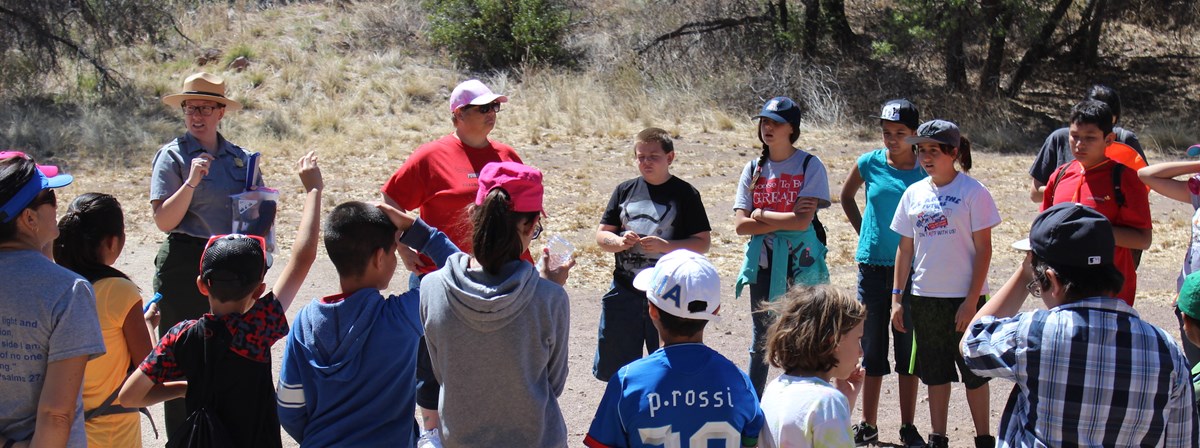
Figure 1: Learning Outside of the Classroom. An image depicting a class taking their learning out of the classroom. Retrieved from https://www.nps.gov/coro/learn/education/images/IMG_7911.JPG?maxwidth=1200&maxheight=1200&autorotate=false.
I got the chance to study Clinical
Psychology in Denmark at the Danish Institute for Study Abroad in Copenhagen. I
took European Clinical Psychology while I studied there. The European Clinical
Psychology core course was essentialism based in that we learned the majority
of the class concepts and content in the classroom through traditional lecture
and discussion within the class. However, the class was conducted outside of
the class and taken on a field
study to observe
the learned material in action once a month. This aspect of the Clinical
Psychology course represents a progressivism-based philosophy. This class
format was common for many upper-level courses in Denmark and supports that the
progressivism-based approach to education is effective, particularly seen when
the students have previously acquired the basic knowledge (aka essentialism)
needed to apply the new experiences to.
My progressivism teaching philosophy is catered to college-aged students in upper level courses, specifically Clinical Psychology. Students are required to have taken
the core curriculum in psychology prior to enrollment to ensure that students
have acquired the knowledge base to reflect on their learned experiences in the
field. Students will learn fundamental and relevant concepts in Clinical
Psychology for the first half of the semester. A midterm examination will
conclude the traditional in-class learning environment (i.e. essentialism
aspect of the course).
I will have students shadow clinicians
and observe as much clinical psychology in the workforce as a student is
allowed to without breaking confidentiality criteria during the second half of
the semester. Students will also volunteer at a mental facility, hospital, or
shelter to observe concepts in clinical psychology that we’ve talked about in
the first half of the school semester. Students will meet in the classroom with
their peers and instructor once a week to discuss their observations and
progress, as well as reflect on the concepts that they observed in the field
that have been either taught in the class or learned from prior classes in the
field. Students are expected to learn the practicality of their course work in
the work environment and observe how the concepts that they learn are applied
in the healthcare/social system. I will have students prepare a PowerPoint or
poster for the class, and present what they observed, learned and reflected on
throughout the second half of the semester. The presentations allow students to
learn from each other and reflect as a group on what they’ve experienced
outside of the classroom with hands-on practical material.

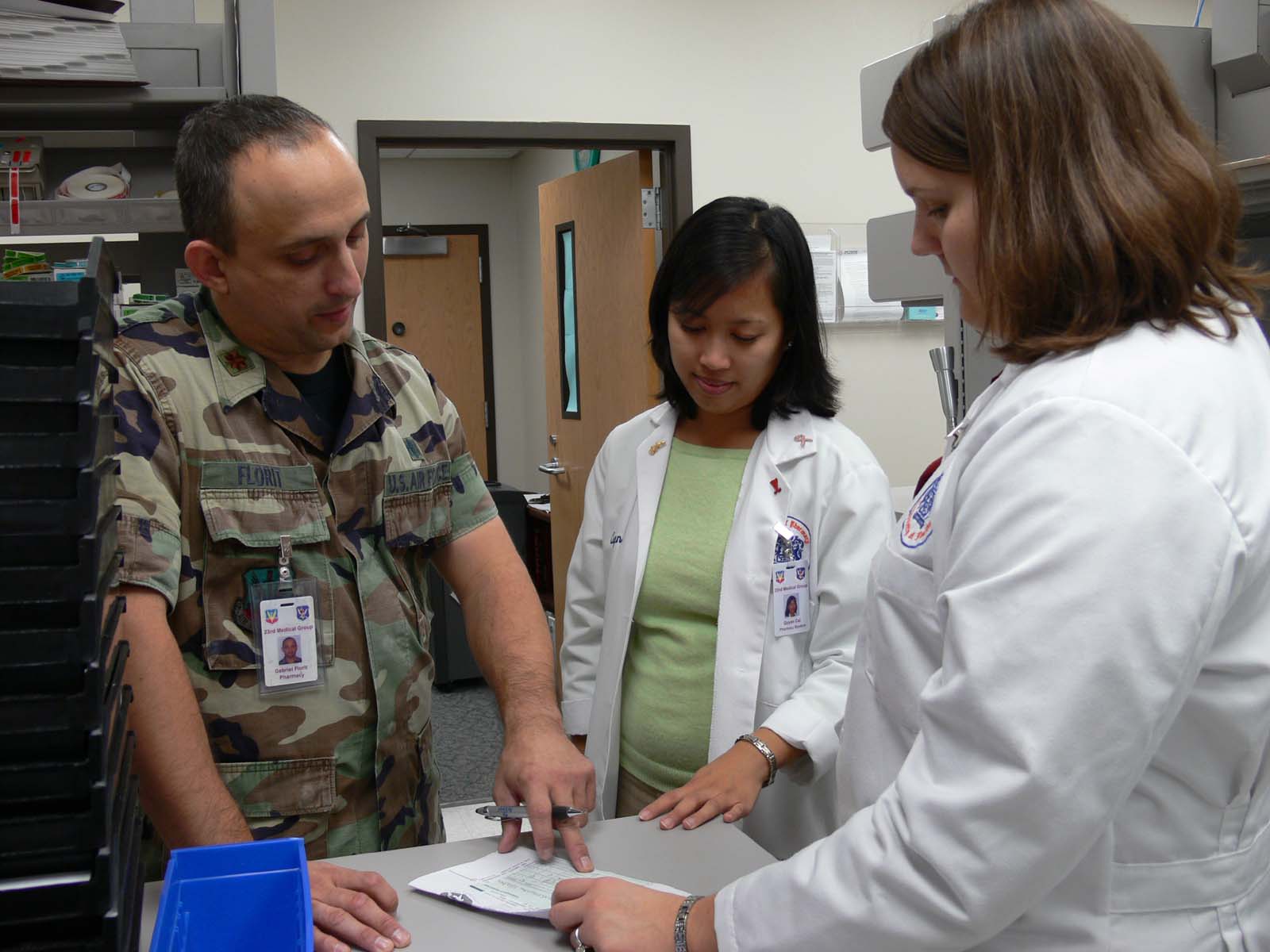
Figure 2: Shadowing Clinicians. An image depicting clinician interns getting hands-on experience. Retrieved from https://media.defense.gov/2006/Nov/27/2000532590/-1/-1/0/061121-F-5896H-032.JPG.
My goals for the students are for them
to master the fundamental
concepts of Clinical Psychology and use that knowledge to either apply or observe the
application of that knowledge in the work place. Students will gain practical,
hands-on experience in the class, and realize that everything they learn in
class is relevant to field work. Students will also learn to effectively
communicate their ideas and reflections through discussing their findings with
their peers. The presentation at the end of the course is a culmination of
everything they learned, and this final reflection allows the student to
demonstrate what they’ve absorbed from the class while practicing their public
speaking skills.
Practicalities: Students will attain their background
checks during the first week of classes, and prepare for the second half of the
semester by finding clinicians, mental facilities and hospitals to observe and
volunteer at. Students will access a data base of every prior clinician and facility that students have volunteered at in previous years so that they can reach out to them within the first couple weeks of class.

/4136760-article-what-is-maslows-hierarchy-of-needs-5a97179aeb97de003668392e.png)


No comments:
Post a Comment